
What Actually Happens to Your Skin in the First 72 Hours?
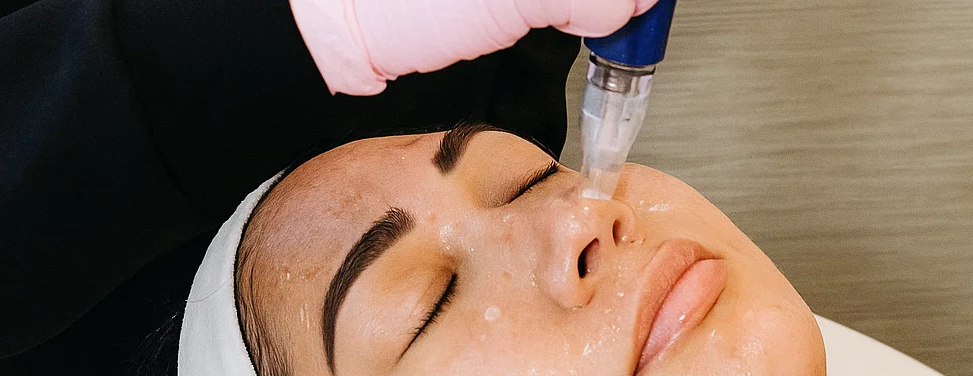
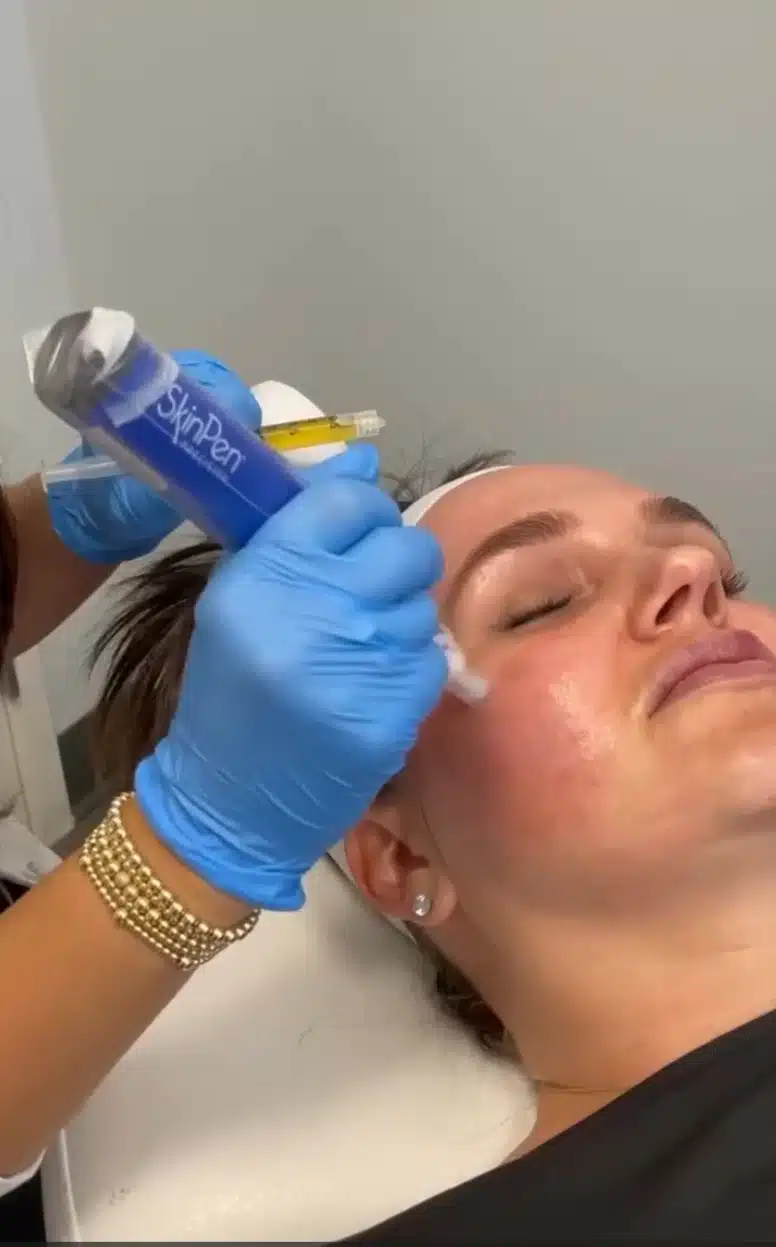
Microneedling works by creating thousands of controlled micro-injuries in the skin. The body responds by sending a cascade of growth factors, collagen precursors, and new blood supply to the treated area. That response is the treatment. Without it, the results would never arrive.
This means the days following a session are not downtime in the way most patients think of the word. They are active days. The skin is doing precisely what it was asked to do. Understanding what happens at each stage makes the recovery feel far less uncertain and far more purposeful.
What microneedling does beneath the surface before any visible change appears
When fine needles penetrate the skin at controlled depths, they create microchannels that reach the dermis. This triggers the wound healing cascade, a sequence of biological events that unfolds over weeks, not hours.
The first phase is inflammation. Blood flow increases, growth factors are released, and the immune system mobilizes. This is the redness and warmth patients feel immediately after treatment.
The second phase is proliferation. New collagen fibers begin to form. The skin starts rebuilding from the inside, laying down structural proteins that will eventually improve texture and firmness.
The final phase is remodeling. The initial collagen is reorganized into stronger, more orderly fibers. This phase continues for months after a single session and is the reason results improve long after the visible recovery has ended.
Knowing that recovery is part of the treatment itself, not a side effect of it, changes the way patients experience every stage of the process.
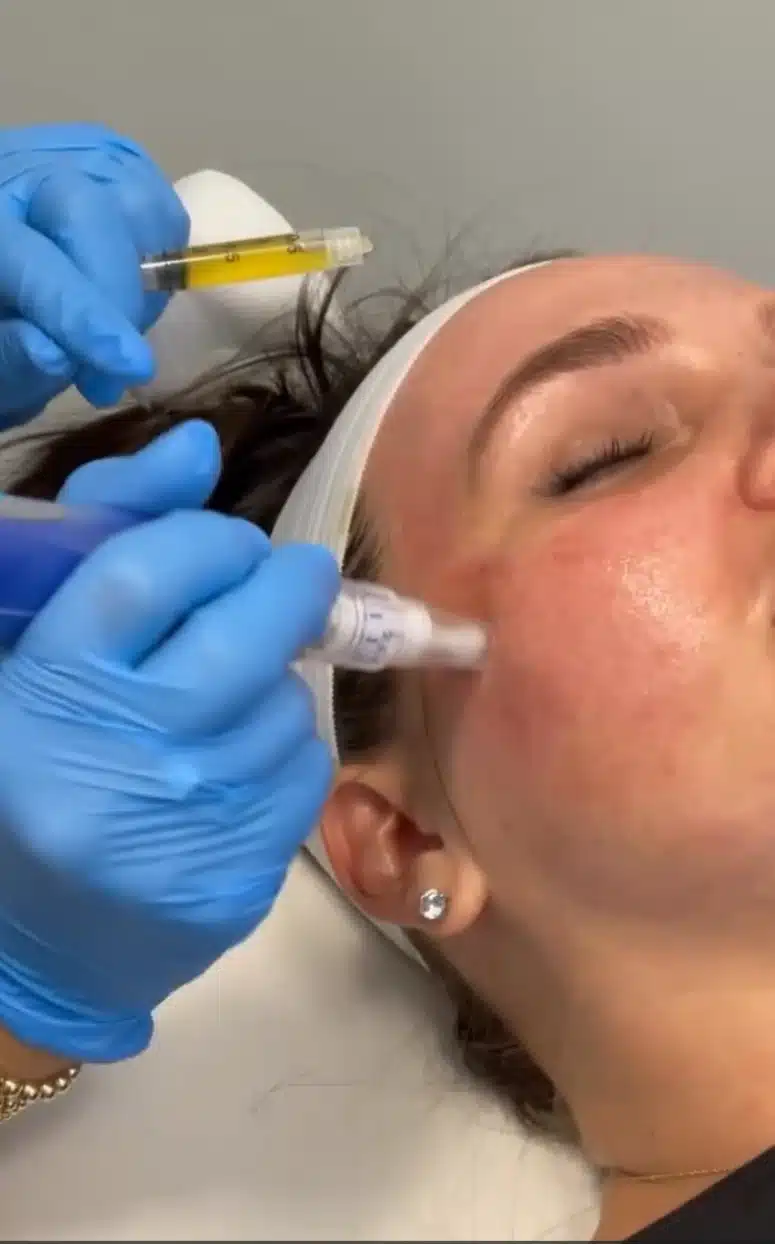
The full microneedling recovery timeline
| Timeframe | What is happening | What patients typically notice |
| Day 1 | Inflammatory response peaks. Blood flow increases. Growth factors flood the treatment zone. Microchannels are still open. | Skin feels warm and tight. Redness similar to a moderate sunburn. Mild swelling may be present, especially around the eyes and forehead. |
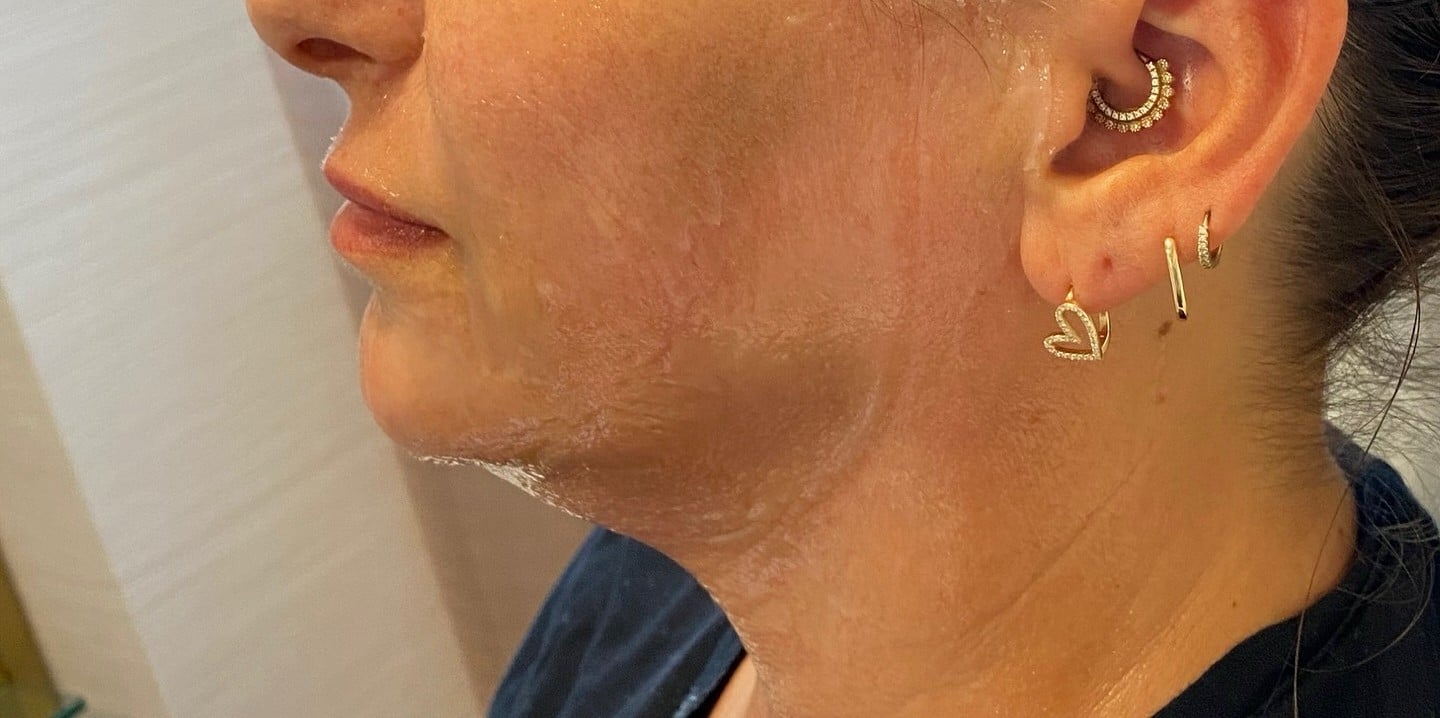
| Days 2 to 3 | Inflammation begins to resolve. Microchannels close. The skin’s barrier is restoring itself. Early collagen signaling has begun. | Redness fades from bright to a dusky pink. Skin may feel dry or slightly rough. Some patients notice minor flaking. Swelling subsides. |
| Days 4 to 5 | The proliferative phase is underway. New collagen precursors are being laid down. Skin barrier function is largely restored. | Redness is minimal or gone entirely. Skin may feel slightly textured as old surface cells shed. Dryness is common but manageable with gentle hydration. |
| Days 6 to 7 | Surface healing is essentially complete. The deeper collagen rebuilding continues invisibly. Skin is ready to resume a normal routine. | Skin looks clearer and smoother than before. A subtle glow begins to emerge. Makeup applies well. Most patients feel comfortable returning to all activities. |
| Weeks 2 to 4 | Collagen production accelerates. The dermis is thickening. Scar tissue and uneven texture begin responding to the new structural support. | Texture improvement becomes noticeable. Fine lines appear softer. Pores look more refined. Skin tone begins to even out. |
| Months 2 to 3 | Collagen remodeling is in full effect. The initial collagen fibers are being reorganized into stronger, more resilient structures. | Skin firmness improves. Scars continue to soften. The complexion looks healthier and more luminous than at any earlier stage. This is often when patients describe the most satisfying change. |
| Months 4 to 6 | Remodeling continues at a slower pace. Cumulative benefit from a series of treatments compounds during this window. | Results from a full treatment series are at or near their peak. Skin quality is meaningfully improved from the starting point. |
| Key principle: The most visible improvement from microneedling does not appear during the first week. It appears between weeks four and twelve, when the collagen remodeling phase reaches its full effect. Patients who judge the treatment by day three are seeing the recovery, not the result. |
Day by day: what to do and what to avoid during recovery
Day 1: the first 24 hours
The skin is at its most sensitive immediately after treatment. Microchannels are still open, which is why product absorption is dramatically heightened during this window. This is both an advantage and a risk.
A hyaluronic acid serum or a recovery balm recommended by the treatment provider should be the only product applied during the first several hours. The skin will absorb what it is given far more deeply than usual. This is not the time for retinol, vitamin C, exfoliating acids, or fragranced moisturizers.
Patients should avoid touching the face unnecessarily, sleeping face down, and exposing the skin to direct heat. No steam, no sauna, no vigorous exercise. The goal is to let the inflammatory phase proceed without interference.
Days 2 and 3: resolution begins
Redness begins to soften. The skin may feel tight and dry, which is normal. Some patients notice a sandpaper-like texture as surface cells begin to turn over. This is the earliest sign of renewal.
Gentle cleansing with a fragrance-free, pH-balanced cleanser is appropriate. A plain, occlusive moisturizer helps the skin retain hydration while the barrier finishes repairing. Mineral sunscreen is essential any time the patient is outdoors, even briefly.
Active ingredients should still be avoided. No retinoids, no glycolic acid, no benzoyl peroxide. These products are valuable in a normal routine, but during this phase they interfere with the healing process rather than supporting it.
Days 4 and 5: the shedding phase
Many patients experience light flaking or peeling during this window. The temptation to exfoliate manually is strong. It should be resisted. The dead surface layer will come away on its own, and forcing it off can damage the fresh skin beneath.
Hydration remains the priority. A gentle hyaluronic acid serum layered under moisturizer is often the most comfortable approach. Patients who feel that their skin is unusually dry or tight can apply moisturizer more frequently rather than switching to a richer or more active product.
Days 6 and 7: return to routine
By the end of the first week, most patients can resume their full skincare routine, including active ingredients. The timing of this step should be guided by how the skin feels rather than by a rigid calendar. If any redness or sensitivity remains, it is better to wait another day or two.
Makeup can typically be applied by day two or three, though many patients prefer to wait until any visible redness has fully resolved. Mineral-based makeup is the safest choice during the first week.
| A note on sun exposure: The skin is more vulnerable to UV damage for several weeks after microneedling, not just during the first few days. Consistent sunscreen use and sun avoidance are essential throughout the entire recovery and collagen-building window. A single significant sun exposure during this period can undo much of the benefit the treatment was designed to create. |
Factors that influence how quickly the skin recovers
Not every patient follows the same timeline. Several variables determine whether recovery trends toward the shorter or longer end of the range.
Needle depth
Shallower treatments (0.5 mm or less) produce milder inflammation and faster visual recovery. Deeper settings (1.0 mm to 2.0 mm or beyond) reach further into the dermis, generate a stronger collagen response, and typically involve a longer period of visible redness. The depth chosen is always a clinical decision based on the patient’s skin type and the concern being addressed.
Treatment area
Facial skin is thinner and more vascular than body skin, which means it tends to redden more visibly and recover slightly faster. Body areas such as the chest, back, or abdomen may show less dramatic redness but can feel tight or dry for a longer period.
Skin type and history
Patients with sensitive or reactive skin may experience a longer inflammatory phase. Those with a history of rosacea or eczema should communicate this clearly before treatment so that depth and aftercare can be adjusted. Patients who have been using retinoids or exfoliating acids in the weeks before treatment may find that their skin responds more intensely.
Post-treatment care
This is the factor patients have the most control over. Following aftercare instructions carefully, avoiding active ingredients during the early days, protecting the skin from sun exposure, and resisting the urge to over-treat or over-exfoliate will consistently produce a shorter and smoother recovery.
What is normal and what is not during microneedling recovery
Most of what patients experience after microneedling is entirely expected. Understanding the difference between normal recovery and a genuine concern reduces anxiety and prevents unnecessary intervention.
Normal
Redness lasting one to four days. Mild swelling in the first 48 hours. Skin that feels warm, tight, or dry. Light flaking or peeling between days three and six. A sandpaper-like texture during the shedding phase. Temporary sensitivity to products that are normally well tolerated. Pinpoint bleeding or mild bruising at the time of treatment, particularly at deeper settings.
Worth mentioning to the treatment provider
Redness that intensifies rather than fading after day three. Swelling that worsens beyond the first 48 hours. Any blistering, crusting, or weeping. Persistent itching that does not respond to gentle moisturizer. Signs of infection such as spreading warmth, pain, or pus. Any reaction that feels significantly different from a previous session.
These situations are uncommon when microneedling is performed by a trained provider at appropriate settings, but patients should always feel comfortable reaching out if something does not seem right.
How multiple sessions build on each other
A single microneedling session produces visible improvement. A series of sessions produces cumulative improvement that is measurably greater than the sum of individual treatments.
Each session restarts the wound healing cascade. Each round of collagen production adds density and organization to the dermis. Over the course of four to six sessions, spaced four to six weeks apart, the skin develops a structural quality that a single session cannot achieve.
This is why the recovery timeline matters not just once, but repeatedly. Patients who understand the process and follow aftercare consistently across an entire series will arrive at a result that reflects the full potential of the treatment.
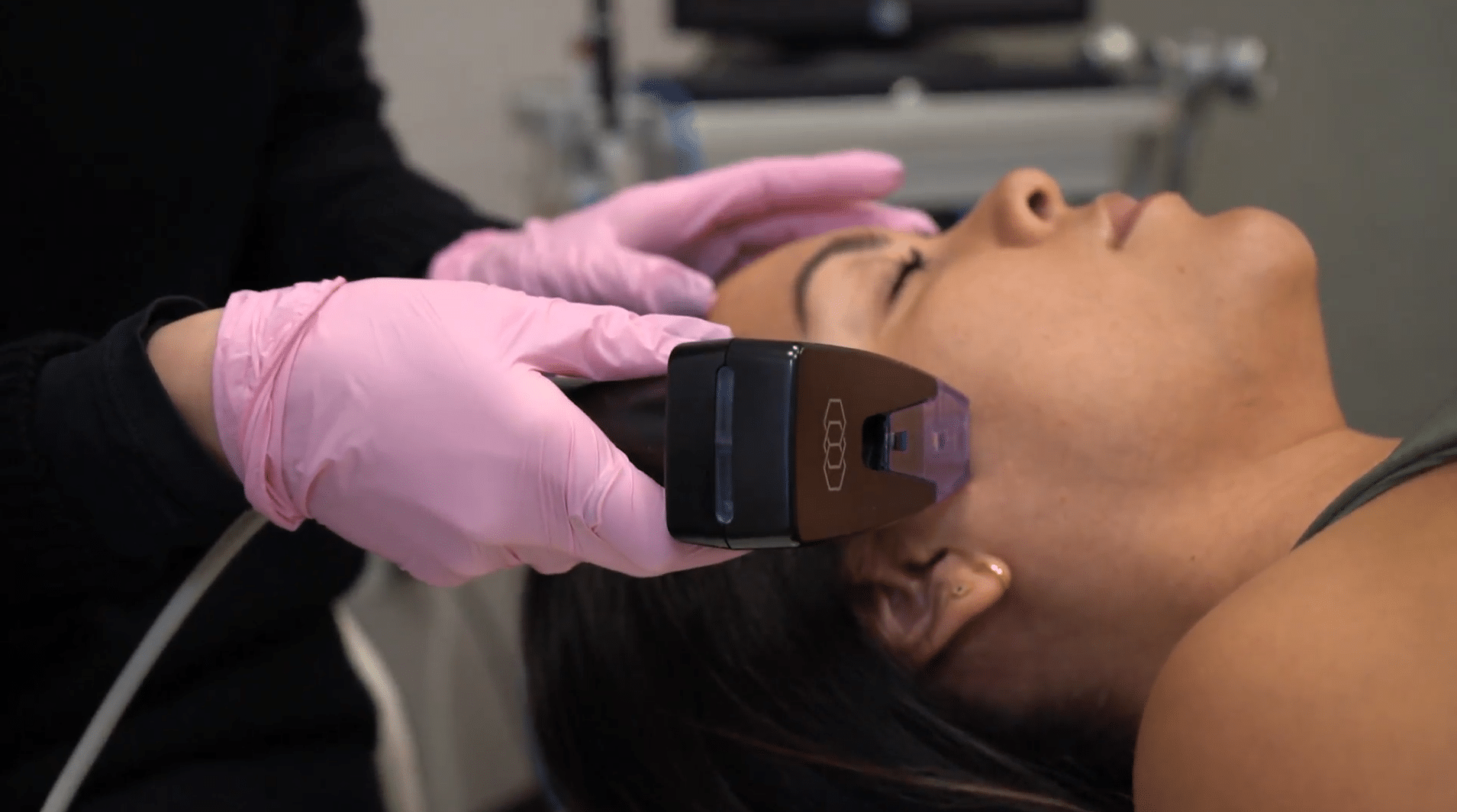
For patients whose concerns extend beyond what standard microneedling can address, particularly deeper scarring, significant skin laxity, or advanced textural irregularity, Morpheus8 in Beverly Hills combines microneedling with radiofrequency energy to reach deeper dermal layers and stimulate a more intensive collagen response. The recovery profile is similar in character but may involve a slightly longer window of visible redness depending on the depth and energy settings used.
Supporting recovery with the right products
The products used after microneedling matter more than the products used at any other time, because the skin is absorbing them at a dramatically higher rate. This is not the moment to experiment.
In the first 24 hours, a plain hyaluronic acid serum and a gentle recovery balm are the safest choices. Growth factor serums may also be recommended by the treatment provider for use during the immediate post-treatment window.
From days two through five, a fragrance-free cleanser, a hydrating serum, and an occlusive moisturizer form the core routine. Mineral sunscreen is applied any time the patient goes outdoors.
From day six onward, active ingredients can typically be reintroduced one at a time. Retinol, vitamin C, and peptide serums can resume, though the provider may recommend a slower reintroduction schedule for patients with sensitive or reactive skin.
Patients should use only products recommended or approved by the treatment provider during recovery. This is not a time for new purchases, sample sizes, or recommendations from social media.
What to avoid during the first week
Certain activities and products can compromise the healing process or increase the risk of complications. The following should be avoided for at least the first five to seven days, or longer if the provider advises.
- Direct sun exposure, tanning beds, and prolonged outdoor time without broad-spectrum SPF 30 or higher.
- Swimming in pools, oceans, or hot tubs. Chlorinated and salt water can irritate open microchannels and introduce bacteria.
- Vigorous exercise that causes heavy perspiration. Sweat on freshly treated skin can cause stinging and increase the risk of breakouts.
- Retinoids, AHAs, BHAs, benzoyl peroxide, and any other active exfoliating or anti-acne ingredients.
- Makeup with heavy pigments or fragrances during the first 24 to 48 hours. Mineral-based makeup is a safer choice after that window.
- Manual exfoliation of any kind. No scrubs, no washcloths with pressure, no picking or peeling at flaking skin.
Frequently asked questions about microneedling recovery
For most patients, visible redness resolves within two to four days. Shallower sessions may produce redness that fades within 24 hours. Deeper sessions may result in a dusky pink tone that persists through day four or five. The redness is a sign of healthy blood flow to the treatment zone and is not a cause for concern.
Most providers recommend waiting at least 24 hours before applying any makeup. After that, mineral-based makeup is the safest option. Patients who experience prolonged redness or sensitivity may prefer to wait until day three or four for the most comfortable application.
A subtle glow and improved smoothness often appear within the first week. More significant improvements in texture, firmness, and scar reduction develop between weeks four and twelve as collagen remodeling progresses. Results continue to build with each subsequent session in a series.
Yes. Light flaking or peeling between days three and six is common and expected. It indicates that old, damaged surface cells are being replaced by fresh skin. The flaking should not be forced off. It will resolve on its own with consistent hydration.
Light activity is generally fine after 24 hours. Vigorous exercise that produces heavy sweating should be avoided for 48 to 72 hours. Sweat can irritate the healing skin and increase the risk of breakouts during the first few days.
Retinol and other active ingredients should be paused for at least five to seven days after treatment. Reintroduction should be gradual, starting with a lower concentration or less frequent application, to avoid overwhelming the newly sensitized skin.
Most patients benefit from a series of four to six sessions spaced four to six weeks apart. The exact number depends on the concern being treated and the depth of each session. A consultation with the treatment provider will establish a personalized plan based on the patient’s skin condition and goals.
A measured approach to recovery produces the strongest result
The days after microneedling are not a period to endure. They are part of the treatment itself. Every phase of the recovery timeline, from the initial redness to the final months of collagen remodeling, is evidence that the skin is doing the work it was asked to do.
Patients who understand this process, who follow aftercare with patience rather than impatience, and who resist the urge to intervene when the skin simply needs time, will consistently arrive at a result that reflects the full potential of the treatment.
If microneedling is something you are considering, or if you have already begun a series and want to refine your recovery approach, the team welcomes the conversation.
When you are ready, you can request your consultation here.