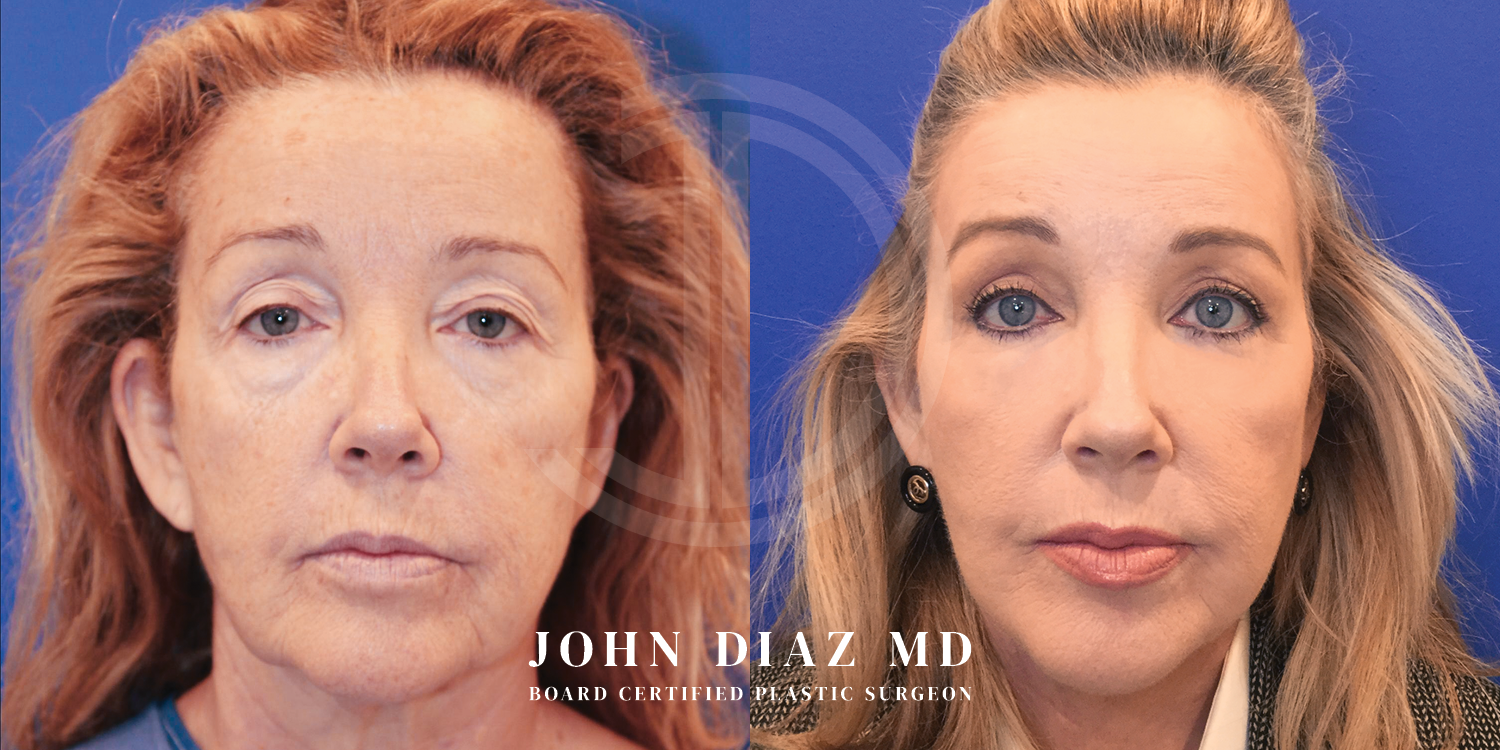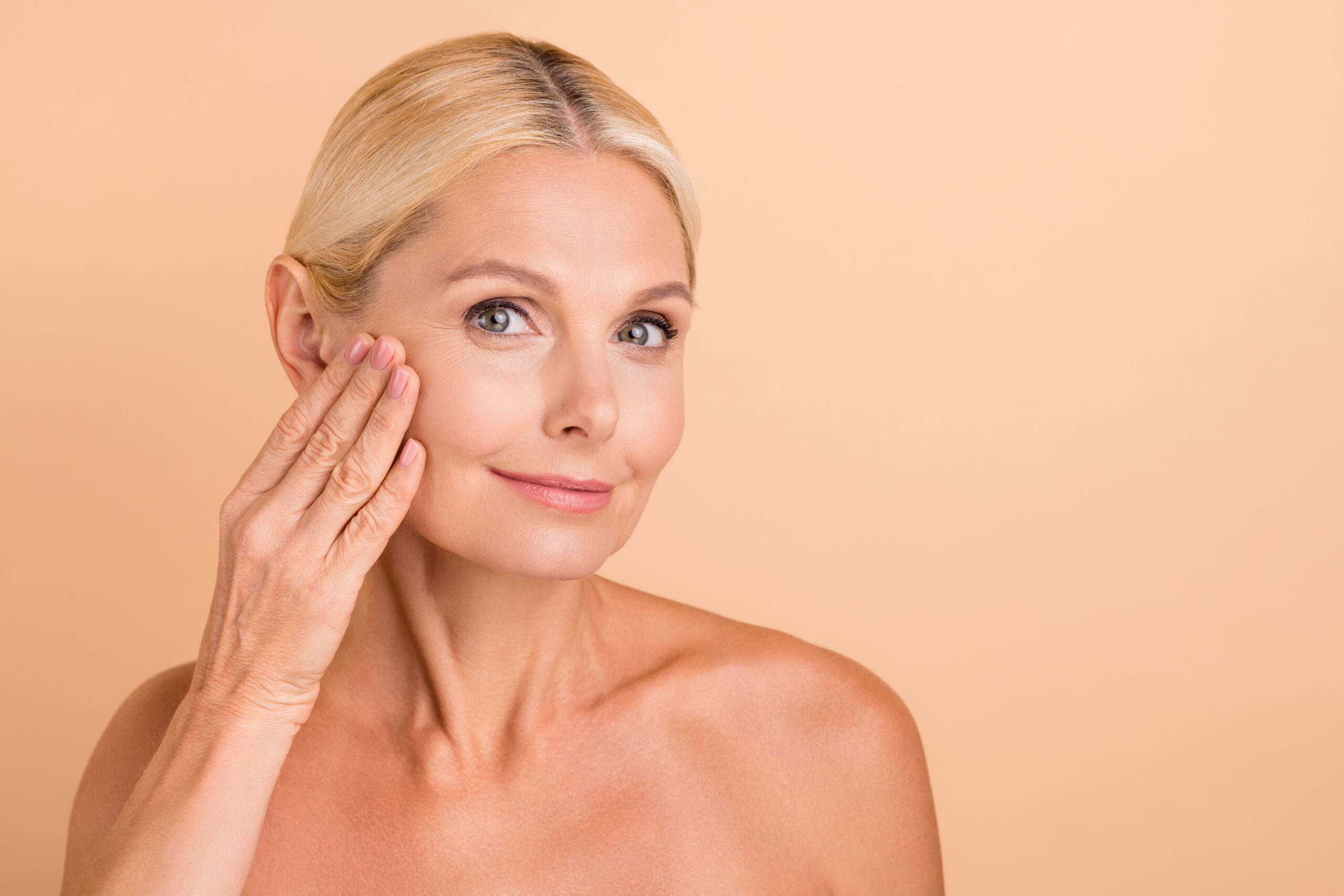
Facial aging develops gradually; however, changes such as sagging skin, deep wrinkles, and shifts in facial structure can suddenly feel more noticeable in everyday life. As these signs of aging progress, many patients begin exploring facial plastic surgery to restore balance, confidence, and a more youthful appearance.
With today’s advanced facelift techniques, treatment is no longer one-size-fits-all. Instead, modern approaches are designed to respect facial anatomy while delivering natural, refined results.
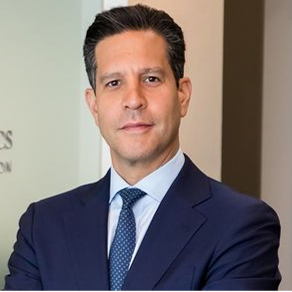
Under the care of John Diaz, MD, patients benefit from a thoughtful, personalized approach to facelift surgery in Beverly Hills that prioritizes long-term results and overall facial rejuvenation.
Understanding the different types of facelifts available empowers patients to choose options that align with their goals, degree of facial aging, and desired recovery experience.
Today, we will discover the types of facelifts used in contemporary plastic surgery, explaining how each technique supports facial rejuvenation while preserving natural expression and balance.
A Clear Overview of Facelift Surgery and Facial Rejuvenation
Facelift surgery is a cosmetic procedure that repositions facial tissue, tightens underlying structures, and removes excess skin to restore a more youthful appearance. Facial rejuvenation, however, extends beyond a single technique and may include surgical and nonsurgical strategies that work together to address multiple signs of aging.
Patients who consider facelift surgery often notice sagging skin, drooping skin, deep nasolabial folds, and changes in facial structure that cannot be improved with skincare alone. These concerns frequently appear alongside reduced skin elasticity and shifting facial anatomy over time.
Different Types of Facelifts
When discussing different types of facelifts, it is important to recognize that no single approach fits every patient. Modern plastic surgery offers several facelift procedures that target specific areas and aging patterns.
Surgical facelift options include:
- Deep plane facelift
- Traditional facelift
- Mini facelift
- Mid facelift
- Endoscopic Total Deep Plane Face and Necklift
Complementary facial procedures include:
- Brow lift
- Eyelid surgery
Nonsurgical facial rejuvenation options include:
- Liquid facelift using injectables
- Energy based skin tightening treatments
Among these options, deep plane and full facelift techniques are often considered the most comprehensive for patients with significant sagging and structural changes.

Deep Plane Facelift for Advanced Facial Rejuvenation and Natural Results
The deep plane facelift has become one of the most advanced techniques in facial rejuvenation surgery. Rather than focusing solely on the skin or superficial structures, this approach addresses deeper facial layers for longer-lasting, more natural results.
How the Deep Plane Facelift Approach Works
A deep plane facelift works beneath the superficial musculoaponeurotic system, allowing the surgeon to lift deeper facial tissues and reposition underlying muscles. By releasing and elevating these structures, the face is restored without placing tension on the skin.
This method directly addresses severe facial sagging, particularly in the lower face and jawline. Because the deep plane technique releases and elevates all the structures, it improves facial tissue positioning while preserving natural movement.
Benefits of Deep Plane Facelift Procedures
Deep plane facelift procedures are known for their durability and refined outcomes. By lifting underlying tissues rather than simply pulling superficial skin and tissue, patients often experience smoother contours and a more youthful appearance that ages naturally over time.
This surgical facelift technique is especially effective for deep nasolabial folds, sagging cheeks, and volume descent. Many patients choose a deep plane facelift because it restores youthful contours without creating an overtightened look.
Ideal Candidates for a Deep Plane Facelift
Patients with significant sagging, pronounced folds, and advanced facial aging often benefit most from a deep plane facelift. These individuals typically require correction at deeper facial layers to achieve meaningful improvement.
Traditional Facelift and Full Facelift Approaches
A traditional facelift, also known as a full facelift, remains a trusted option in facial plastic surgery. This approach addresses the lower face and neck by tightening underlying facial structures and removing excess skin.

Understanding the Traditional Facelift
The traditional facelift focuses on repositioning facial tissue and smoothing deep wrinkles through strategic incisions placed around the ears and hairline. The traditional facelift procedures incorporate the SMAS facelift method, which supports the face by lifting the superficial musculoaponeurotic system.
This technique improves loose skin, sagging skin, and jowling while maintaining facial harmony. For patients with moderate to advanced aging, the traditional facelift offers comprehensive facial rejuvenation.
Incisions and Structural Support
A full facelift allows the plastic surgeon to address excess skin, deeper tissues, and underlying facial structures in one procedure. Because the facelift technique depends on each patient’s facial anatomy, incision placement and depth are customized for optimal results.
Mini Facelift
A mini facelift is often chosen by patients with early signs of aging who want noticeable improvement without extensive surgery. While less invasive than a traditional facelift, it still delivers meaningful rejuvenation.
How You Can Benefit from a Mini Facelift
The mini facelift targets mild sagging skin along the jawline and lower face. Patients with good skin quality and limited excess tissue often achieve excellent results with this approach.
Because the mini facelift uses shorter incisions and focuses on a smaller area, recovery is typically faster than with full facelift surgery. However, it is important to note that a mini facelift does not address deeper facial layers to the same extent as more advanced techniques.
Results and Expectations from a Mini Facelift
A mini facelift can lift sagging skin, soften early wrinkles, and enhance youthful contours. While results are subtle compared to deeper procedures, many patients appreciate the refreshed appearance without extended downtime.
Mid Facelift and Cheek Lift Procedures
The mid facelift is designed to restore volume and support the central portion of the face. Unlike lower face focused techniques, mid facelift targets the area between the lower eyelids and upper lip.
Mid Facelift Targets and Benefits
Mid facelift targets include the area of the face located between the lower eyelid and the corner of the mouth. This includes the sagging cheeks, hollowing beneath the eyes, and deep nasolabial folds. By elevating facial tissue in the midface area, this procedure improves facial structure and restores youthful contours, particularly the cheeks. Some people refer to this procedure simply as a cheek lift because it restores the contour of the cheekbone in ways very few other procedures can.

Brow Lift and Upper Face Rejuvenation
A brow lift addresses drooping brows and forehead creases that can contribute to a tired or heavy appearance. While it is a separate cosmetic procedure, it is often combined with facelift surgery for balanced results.
By lifting the brow and smoothing the upper face, a brow lift complements lower facial rejuvenation and enhances overall harmony.
Eyelid Surgery as a Complementary Procedure
Eyelid surgery focuses on removing excess fat cells and skin from the upper or lower eyelids. When combined with facelift procedures, eyelid surgery helps create a cohesive, refreshed appearance across the entire face.
Facelift surgery is a carefully planned surgical procedure tailored to each patient’s facial anatomy and goals.
Anesthesia and Surgical Steps
Depending on the facelift technique, anesthesia may include local anesthesia with sedation or general anesthesia. The facial plastic surgeon then repositions facial muscles, tightens underlying tissues, and removes excess skin.
Closure and Recovery
Incisions are closed meticulously to support healing. Patients typically wear dressings for a brief period and follow a structured recovery plan to maintain results and promote skin elasticity.

Choosing the Right Facial Plastic Surgeon for Your Facelift
Selecting the right facial plastic surgeon is one of the most important steps in achieving safe, natural-looking facelift results. Working with a board-certified plastic surgeon who has specialized training in facial plastic surgery ensures a deep understanding of facial anatomy, aging patterns, and advanced facelift techniques.
Patients are encouraged to verify credentials, review before and after photos, and ask specific questions about experience with deep plane facelift and traditional facelift procedures.
Under the care of John Diaz, MD, patients benefit from a meticulous, patient-focused approach rooted in both technical expertise and aesthetic judgment.
As a plastic surgeon in Beverly Hills, Dr. Diaz emphasizes individualized planning, safety, and refined outcomes that enhance facial structure while preserving natural expression.
Experienced facial plastic surgery clinics prioritize these principles to support confident decision-making and long-term success in facial rejuvenation.
Comparing Facelift Techniques
Different types of facelifts vary in recovery time, longevity, and suitability. While mini facelift procedures offer faster healing, deep plane and traditional facelift techniques provide longer lasting correction for significant sagging.
Ultimately, the facelift technique depends on facial aging patterns, skin quality, and patient expectations.
Facelift Recovery Timeline and Long-Term Results
Recovery after facelift surgery is a gradual process that allows the facial tissue, underlying tissues, and deeper layers to heal and settle naturally. Short term effects such as swelling, bruising, and tightness are common following a surgical facelift, particularly during the first few weeks, as the facial muscles and underlying facial structures adjust.
As healing progresses, improvements in facial structure, skin tone, and youthful contours become more visible, revealing a more youthful appearance over time. Supporting collagen production, protecting skin elasticity, and carefully following post procedure care instructions all play an important role in long term success and overall facial rejuvenation.
Nonsurgical Facelift Options
A nonsurgical facelift may include injectables and energy-based treatments that stimulate collagen production and improve skin elasticity. While helpful for early aging, these options do not replace surgical correction for deeper sagging.
Liquid Facelift and Injectable Options
Not all patients are ready for surgery. In these cases, a liquid facelift offers a nonsurgical approach to facial rejuvenation.
What a Liquid Facelift Involves
A liquid facelift involves dermal fillers and neuromodulators to restore volume, soften wrinkles, and enhance skin tone. While it does not lift deeper tissues, it can temporarily improve facial structure and promote a more youthful appearance.
Maintenance and Longevity
Results from a liquid facelift require ongoing maintenance, as injectables gradually metabolize. This option works best for patients with early signs of aging and minimal sagging skin.
Begin Your Journey with a Facelift in Beverly Hills
Facial rejuvenation is a personal journey, shaped by individual goals, facial structure, and the way facial aging presents over time. With a wide range of facelift options available today, the most satisfying results come from thoughtful evaluation, advanced surgical technique, and a clear understanding of what will best support a natural, more youthful appearance.
Whether addressing early signs of aging or more advanced changes, modern plastic surgery provides refined solutions that enhance facial balance while preserving authentic expression.
Working with John Diaz, MD, allows patients to approach facelift surgery with confidence and clarity. As a trusted plastic surgeon in Beverly Hills, Dr. Diaz focuses on individualized planning and long-term facial rejuvenation, helping patients achieve results that look refreshed, natural, and well-aligned with their features.
Taking the first step toward facial rejuvenation begins with a personalized consultation, where your goals, concerns, and treatment options can be discussed in detail.